★ WIN Paws@Brooklyn The Valley Training Jacket and Spring Training Kit worth £210! Click here to enter ★

Gundog fitness
The summer months offer the perfect opportunity for gundog owners to work on their dog’s fitness ahead of a new shooting or competition season. Ben Randall explains how to train smarter, not harder, for the best results
 Photographs: Nigel Kirby, Sarah Farnsworth and Kenny Drew

There are lots of types of fitness and lots of ways to get the desired end result, but many of you will know my mantra of ‘train how you play, play how you train’. For example, a rugby player doing pre-season training will do huge amounts of cycling, rowing and running and a full strength and conditioning programme. While all this is very important, nothing prepares that player for a live contact game better than playing.
I have taken the experiences that I have had with rugby over the years into how I prepare my dogs for the start of the season or competition. I want my dogs to get fit and strong whilst being trained at the same time. A dog running behind a quad bike or on a treadmill will have a good level of cardio fitness, but a spaniel very rarely runs in a straight, controlled line or at a controlled speed, so you’re not replicating the requirements of the dog in
the field.
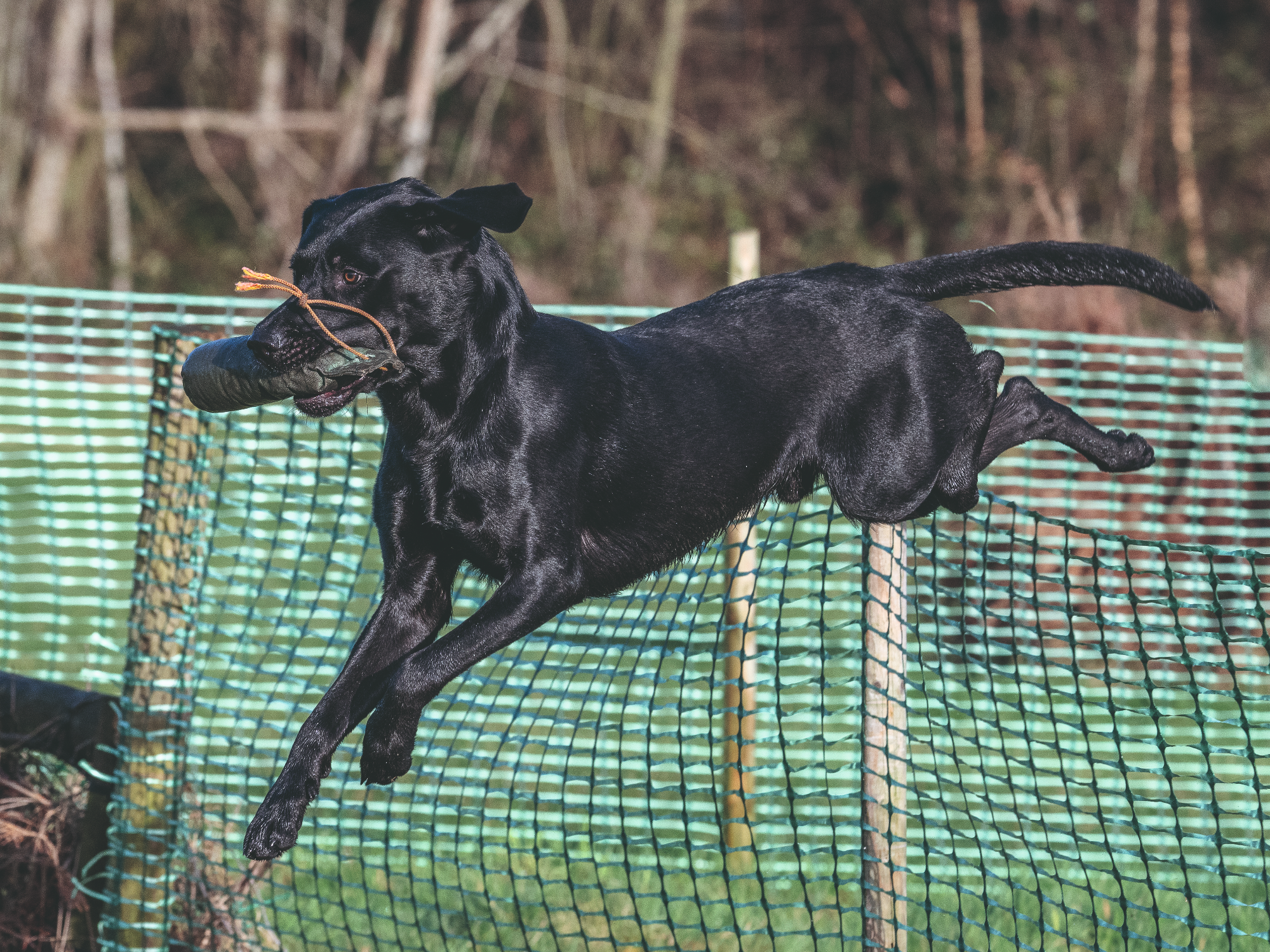
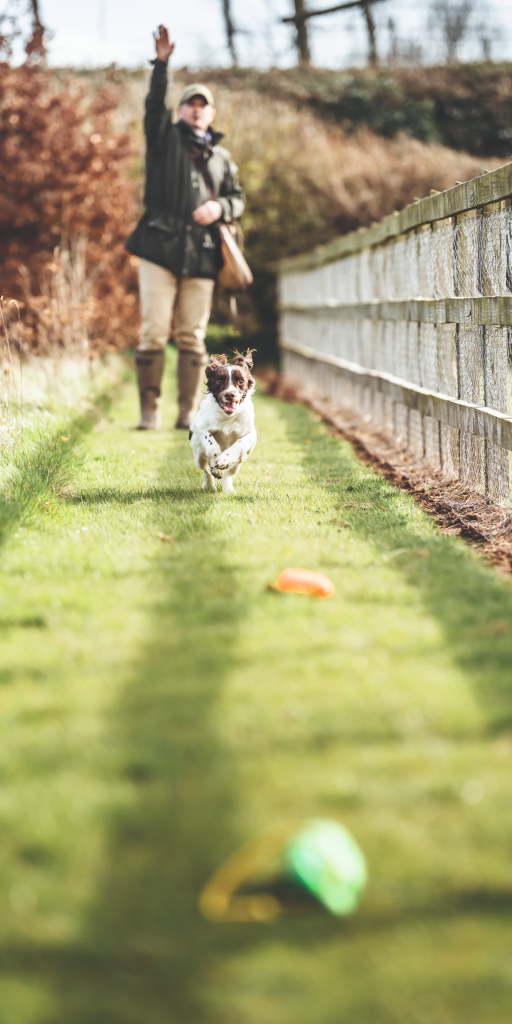
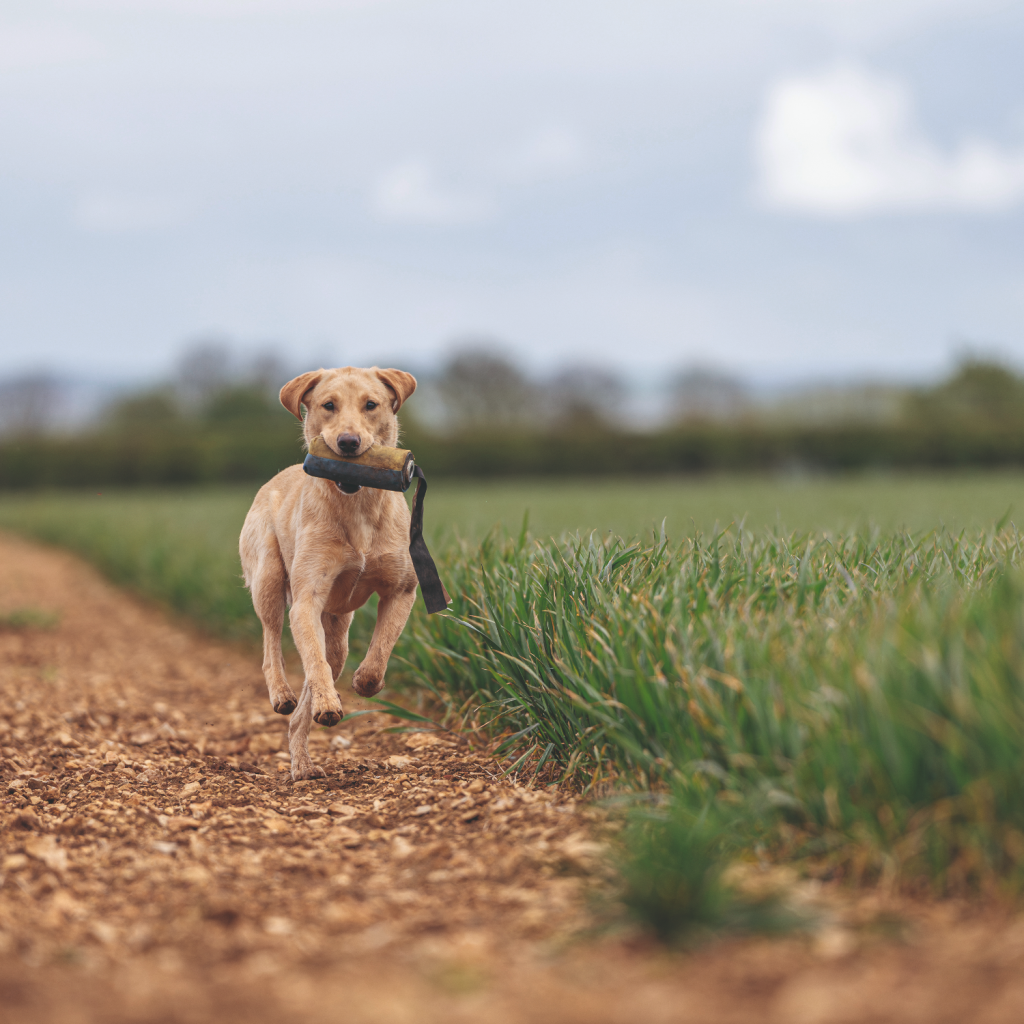
I prefer to build up my dogs’ fitness through repetition of training exercises. Memory and multiple memory retrieves are a great way to improve fitness through running, but also improve your relationship with your dog.
Fitness plan: month to month
From the start of February to September, this is how my fitness plan for the dogs works:
February/March is a time when my dogs get to recover and recuperate from the busy shooting season. Within that period, they should add some quality weight; any cuts, scratches and sores will start to repair; and because of the rest a lot of my bitches will naturally come into season.
April/May is my time to look at what happened during the shooting season and slowly work on improving any issues or problems I had. This could be marking or pulling too much while hunting, for example. While I’m working on these problems, not only am I improving them and building a better partnership with my dogs, but I am slowly increasing their fitness.
May/June will be a slight continuation of the previous months and a continued improvement (one hopes!). This is always a good time to start (weather permitting) an introduction to water. As is the case for the human body, the dogs are off their feet while swimming and it is great for their joints and puts less stress on all the body components. I like to combine swimming with the BG ‘always training’ motto. This means not letting your dog go wild, but being controlled, giving directions/retrieves/blinds etc on and across water. If the weather is warm, a nice 30-minute session is ideal.
July/August. Over the last four months, we should have built a good level of fitness, with lots of issues and problems resolved and greatly improved. I try to start to hunt my spaniels that are in hunting form on live birds (weather permitting). This will really build the dog’s fitness up – the volume of scent on the ground will result in the dog pushing itself harder and for longer.
Most gamekeepers will be very keen for some help with dogging-in during July and August. If you are lucky enough to get access to this sort of training, it provides a great opportunity to build your spaniel’s fitness up, while testing how trained they are in that environment.
If you are dogging-in, communication with the gamekeeper is imperative so that he understands you are in a training process, and you are not going to let your dog chase birds in front of the quad bike, flushing them back to the pens – that’s his job! Most keepers over the decades have been very helpful to me and understanding of the process required to get a trained gundog. Remember, the gamekeeper and the estate are investing in the future, by allowing you to train your dogs to further improve their picking-up team and beating line. A team of a dozen beaters with exceptionally well-trained dogs, keeping a perfect line, being told when to stop and flush, is a gamekeeper’s dream. As is an efficient picking-up team, especially with the cost of birds these days.
As an estimated guess, depending on the individual dog, I would dog-in two to three times a week maximum. The rest of the time will be recovery and continuing your dog’s foundation training.
My retrievers will be walking at heel while the spaniels are training and flushing birds. This is something that cannot be underestimated for a retriever and really helps establish that steadiness at this time of year. In terms of their retriever fitness this month, while I’m with the spaniels, they will be getting marked and blind retrieves, again on lots of scented ground which helps them go up the gears a bit.
Start of the season
With everything covered up to this point, I should have a well-behaved, well-trained dog, with a good level of fitness to enable me to start early September picking-up, on the peg, or beating for the start of the partridge season. Because the dogs are not fully fit by September, if you are beating, I would advise you go for short, sharp hunting bursts only. September can be a dry, warm month, so regulating your dog in this way, especially for a competition spaniel, is the ideal scenario.
In terms of picking-up in September, again we are testing all our training foundations and our dogs’ fitness with long retrieves, potential runners and, depending on your dogs and what you use them for, lots of picking-up on ploughed fields, grassy headlands and from ditches. Again, at this time of year, with it being warm, very sharp brambles and nettles will be in these ditches, and with a good level of fitness and your dog’s desire to push itself harder on game, this is where we as handlers need to regulate their working rate.
A dog, like an athlete, can only stay in peak condition for a period of time before injury or burnout occur. Over the decades, I have witnessed this both personally and with dogs, particularly with very keen, new-to-the-sport dog trainers, who most definitely overtrain their dogs. So, injuries and burnout can happen, but probably the biggest mistake I see is a dog that’s too fast, too fit and too highly wired to enable you to have the partnership and bond that you want and need on live game.
Remember, you don’t have to train your dog every single day. They need rest days too.
Related Articles
Health
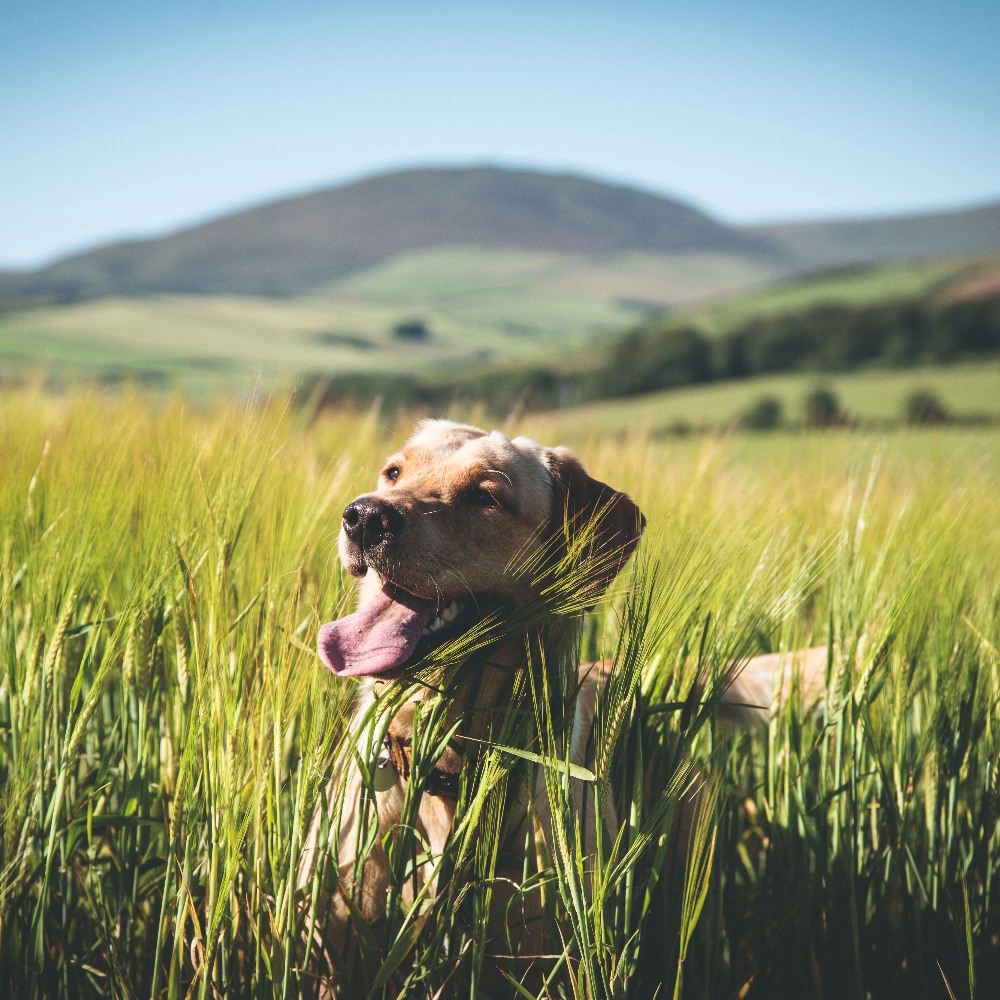
Grass seed danger
They may seem innocuous, but a simple grass seed can wreak havoc on your gundog if left unchecked. Vet Louisa Lane explains the dangers and how prevention is better than cure
By Gundog Journal
Competitions
Events
Training
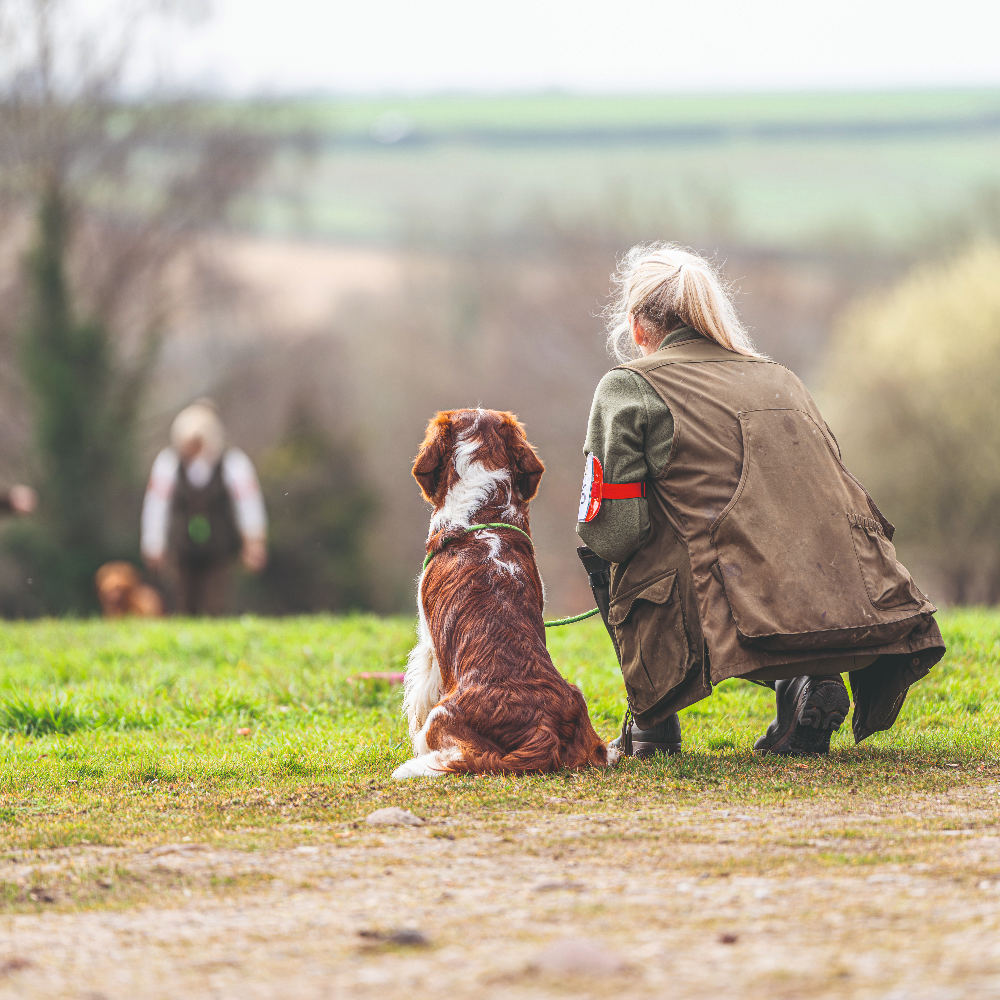
Training for working tests
How do you know if you and your gundog are ready for a working test? Ben Randall shares his thoughts on the key areas to focus on before taking that next step
By Gundog Journal
Get the latest news delivered direct to your door
Subscribe to Gundog Journal
Unlock the full potential of your working dog with a subscription to Gundog Journal, the UK’s only dedicated magazine for gundog enthusiasts. Published bi-monthly, this authoritative resource delivers expert training advice, in-depth interviews with top trainers and veterinary guidance to help you nurture a stronger bond with your dog.
With stunning photography and thought-provoking content, Gundog Journal is your essential guide to understanding, training and celebrating your working dog.
Save 10% on shop price when you subscribe, with a choice of packages that work for you. Choose from Print & Digital or Digital only with each journal delivered directly to your door or via the app every other month, plus access to past issues with the digital back issue library.