★ WIN Paws@Brooklyn The Valley Training Jacket and Spring Training Kit worth £210! Click here to enter ★

Grass seeds in gundogs: dangers, symptoms and how to prevent them
Grass seeds may look harmless, but they can cause serious – and costly – health problems for working dogs, particularly during the spring and summer months when long grass is at its most prolific. Vet Louisa Lane explains what makes grass seeds so dangerous for gundogs, where they tend to embed, how to spot the signs early, and what treatment looks like when things go wrong.

What are grass seeds and why are they dangerous for dogs?
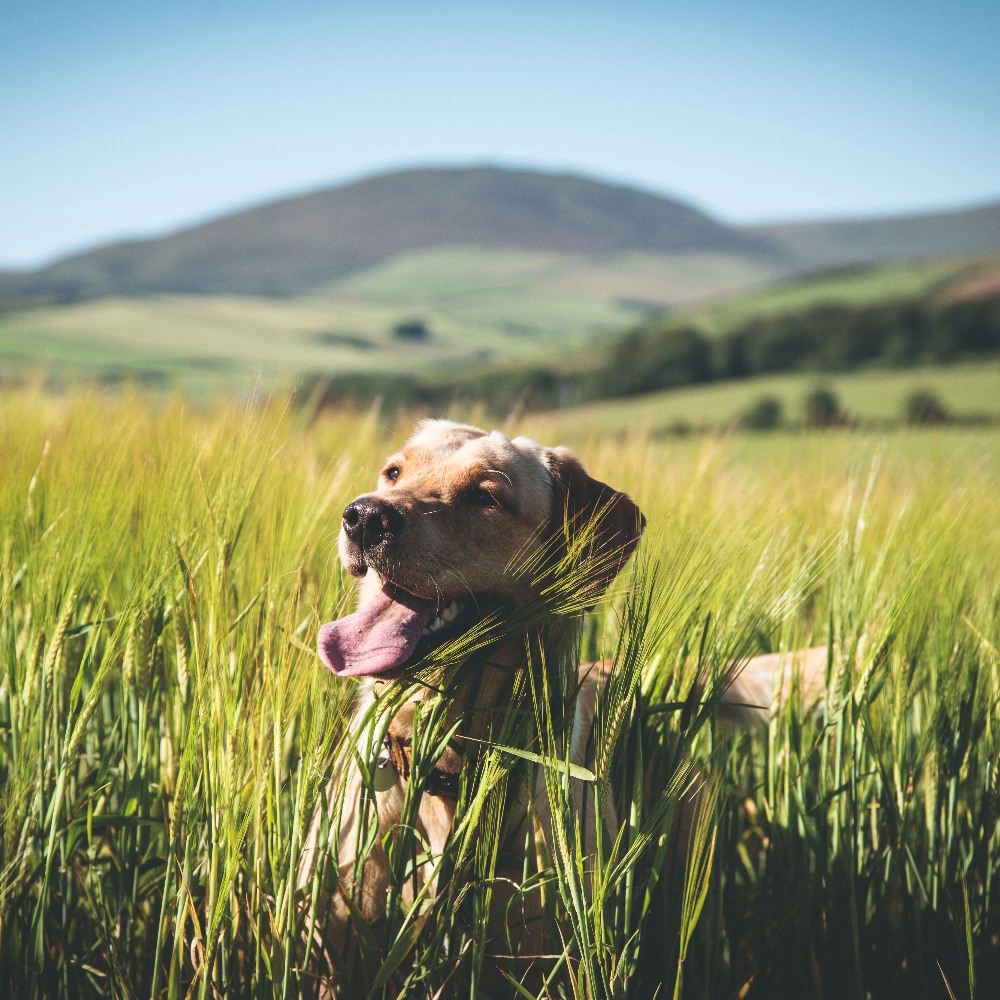
Grass seeds are small, sharply pointed seeds covered in backward-facing barbs. Found at the tops of long grasses in parks, fields and meadows, they are most abundant from late spring through to early autumn. That arrow-like shape – designed by nature to help the seed travel and anchor – is precisely what makes them a problem for dogs. Once they catch in a coat, they don’t fall out. They work their way inward, penetrating fur, skin, and in some cases much deeper tissue.
Which gundogs are most at risk?
Any dog can pick up a grass seed, but four factors increase the risk:
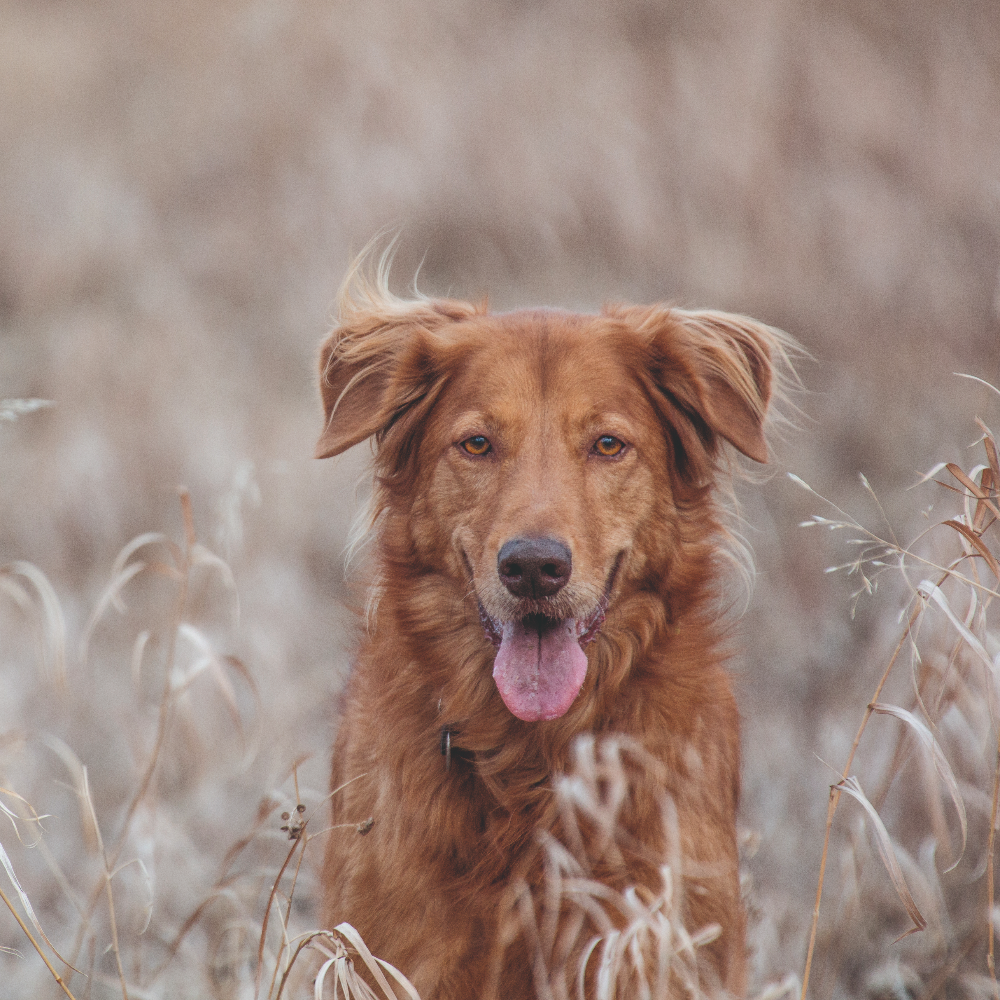
- Coat type: Dogs with long, dense or curly fur – cocker spaniels and golden retrievers being the obvious examples – trap seeds far more readily than short-coated breeds.
- Activity level: Dogs that work or run off lead through long grass are exposed more frequently than those kept on lead in managed environments.
- Location: Rural dogs with access to open farmland and rough meadow ground face a higher daily risk than urban dogs.
- Season: Late spring to early autumn is peak grass seed time – this is when owners need to be most vigilant.
Where do grass seeds tend to lodge?
The most common entry points are between the toes, down the ear canal, around the eyes, up the nose, and in the armpits and groin. Here is what to expect at each site:
- Between the toes: Seeds catch in the webbing and work their way in, causing swelling, lameness, excessive licking and – if left – a full interdigital abscess.
- Ears: Seeds travel down the ear canal causing intense irritation. Head shaking and scratching are the first signs; infection can follow quickly.
- Eyes: Seeds lodge behind the third eyelid, causing redness, excessive tearing and – if not removed promptly – corneal ulcers.
- Nose: Inhaled seeds lodge in the nasal passages, leading to sudden-onset sneezing, discharge and in some cases breathing difficulties.
- Internal migration: In severe cases, seeds penetrate so deeply they migrate into vital organs. They have been found inside the chest cavity and lung tissue, sometimes requiring the removal of an entire lung lobe.
How do I know if my dog has a grass seed?
The signs depend on where the seed has gone. Watch for these:
- Feet: Incessant licking or chewing at the paws or between the toes.
- Ears: Violent, repetitive head shaking.
- Nose: Sudden-onset sneezing, sometimes with discharge.
- Eyes: Weeping, redness or repeated pawing at the face.
- Under the skin: Any unexplained swelling that appears quickly and is warm to the touch.
Grass seeds move once embedded – the longer they are left, the further they travel. Any of these signs during grass seed season should prompt a vet visit promptly.
How to prevent grass seed problems in gundogs
Prevention is largely a matter of routine. These steps cover most of the risk:
- Check high-risk areas after every walk: Run your fingers through the paws, ears, armpits and groin as soon as you get home, especially after walks through long grass.
- Brush the coat immediately after walks: This removes seeds before they have a chance to work their way through the fur and into the skin.
- Keep fur trimmed short in warmer months: Shorter coat around the feet and ears gives seeds far less to catch on.
- Avoid high-risk ground during peak season: If an area has long, seeding grasses, consider keeping your dog on a lead until conditions improve.
Treatment: what happens at the vet?
If you spot a seed on the surface of the skin, remove it immediately. Beyond that, treatment depends on where the seed is and what damage it has caused.
Grass seeds introduce bacteria as they travel, so antibiotics are a common first step alongside anti-inflammatory medication. Seeds lodged in the ear canal can usually be removed with long crocodile forceps, but the ear is sensitive enough that most dogs need a degree of sedation beforehand. Seeds that have burrowed under the skin and caused an abscess typically need sedation or a general anaesthetic to find and extract, along with thorough debridement of the affected tissue.
In the most serious cases – where seeds have migrated internally – CT scanning is needed to locate them before surgery. The prognosis is generally good if caught in time, but the cost, recovery and risk involved make prevention emphatically the better option.
Frequently Asked Questions
When is grass seed season for dogs?
Late spring to early autumn is peak grass seed season. This is when long grasses are most likely to be seeding, and the risk of seeds attaching to a dog’s coat is at its highest. Owners should be most vigilant during this window, particularly after walks in fields, meadows or rough ground.
Which breeds are most at risk from grass seeds?
Dogs with long, dense or curly fur – such as cocker spaniels and golden retrievers – are more likely to trap grass seeds. Active working dogs that cover a lot of ground through long vegetation are also at higher risk than dogs kept on lead in more managed environments.
What are the signs that a dog has a grass seed stuck?
Common signs include incessant licking or chewing of the feet, violent head shaking, sudden-onset sneezing, a weeping or irritated eye, or any unexplained swelling. Grass seeds move once embedded, so prompt veterinary attention is advisable.
Can grass seeds be dangerous if left untreated?
Yes, and potentially very seriously so. In severe cases, grass seeds can migrate through the body into vital organs. Seeds have been found inside the chest cavity and within lung tissue, sometimes requiring the removal of an entire lung lobe. Early detection and removal gives a much better outcome.
Related Articles
Health
Gundog fitness
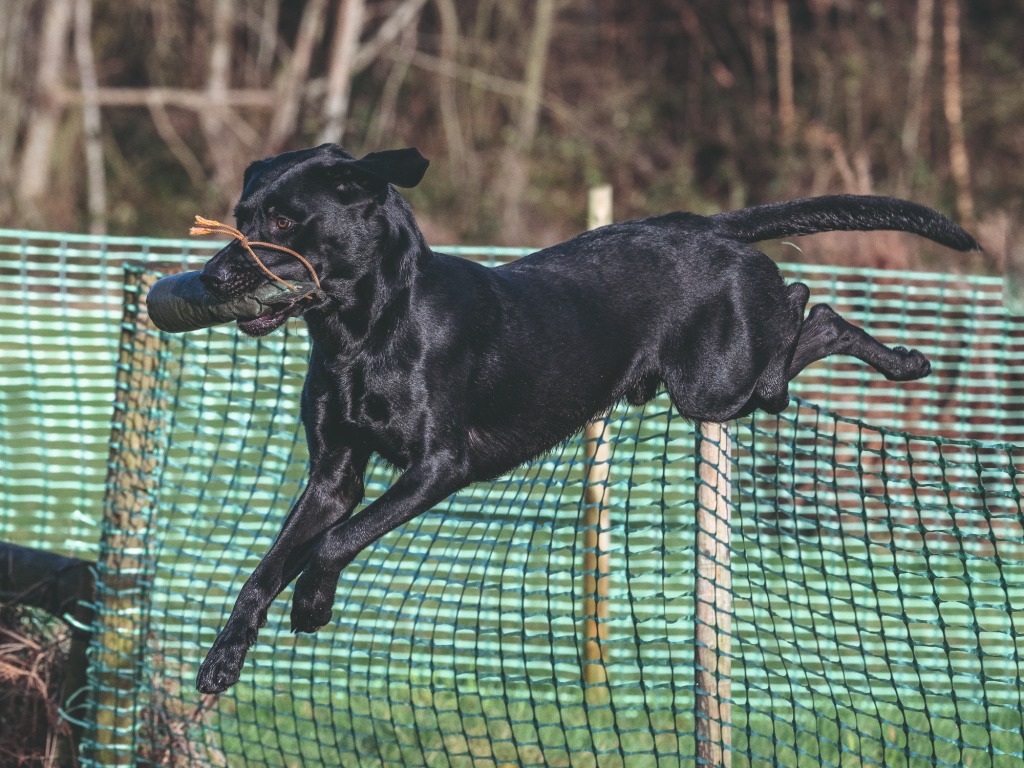
The summer months offer the perfect opportunity for gundog owners to work on their dog’s fitness ahead of a new shooting or competition season. Ben Randall explains how to train smarter, not harder,...
By Ben Randall
Health
Developmental milestones in dogs
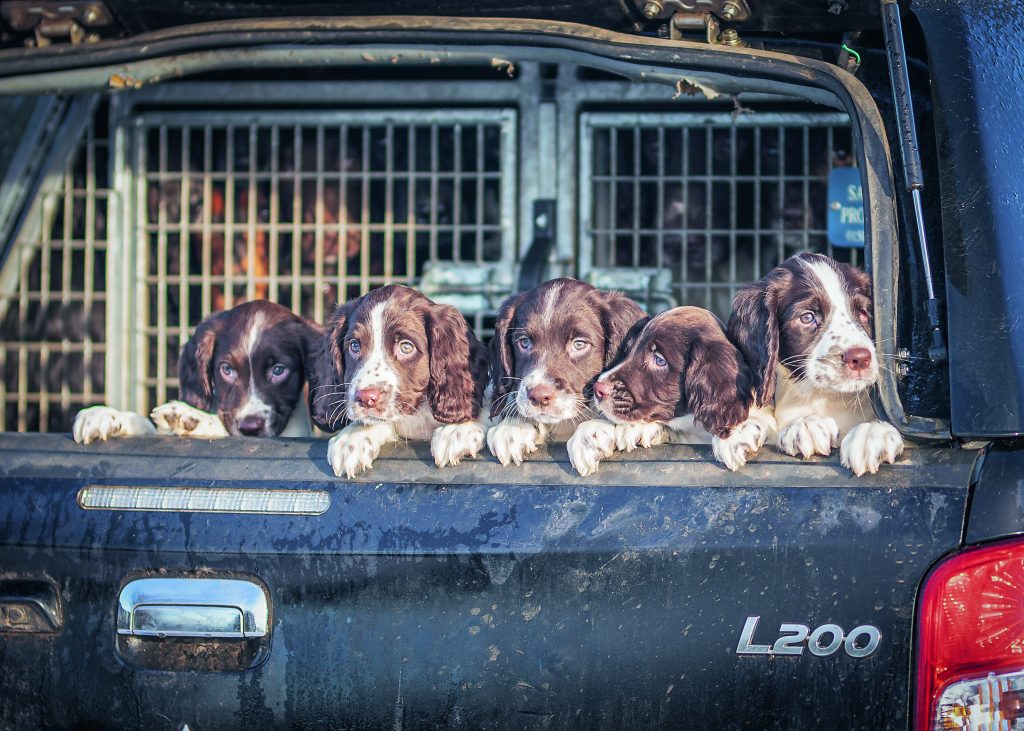
Vet Louisa Lane explains the main stages of dog development and behaviour, from puppyhood to adulthood
By Gundog Journal
Get the latest news delivered direct to your door
Subscribe to Gundog Journal
Unlock the full potential of your working dog with a subscription to Gundog Journal, the UK’s only dedicated magazine for gundog enthusiasts. Published bi-monthly, this authoritative resource delivers expert training advice, in-depth interviews with top trainers and veterinary guidance to help you nurture a stronger bond with your dog.
With stunning photography and thought-provoking content, Gundog Journal is your essential guide to understanding, training and celebrating your working dog.
Save 16% on shop price when you subscribe, with a choice of packages that work for you. Choose from Print & Digital or Digital only with each journal delivered directly to your door or via the app every other month, plus access to past issues with the digital back issue library.