★ Subscribe to the Gundog Journal newsletter here for first access to competitions, breaking news and exclusive content ★


How to care for your ageing gundog
Ensuring our gundogs are cared for and understood as they enter their twilight years is one of our biggest responsibilities as owners. Vet Louisa Lane looks at some of the health concerns that may need to be managed in ageing dogs
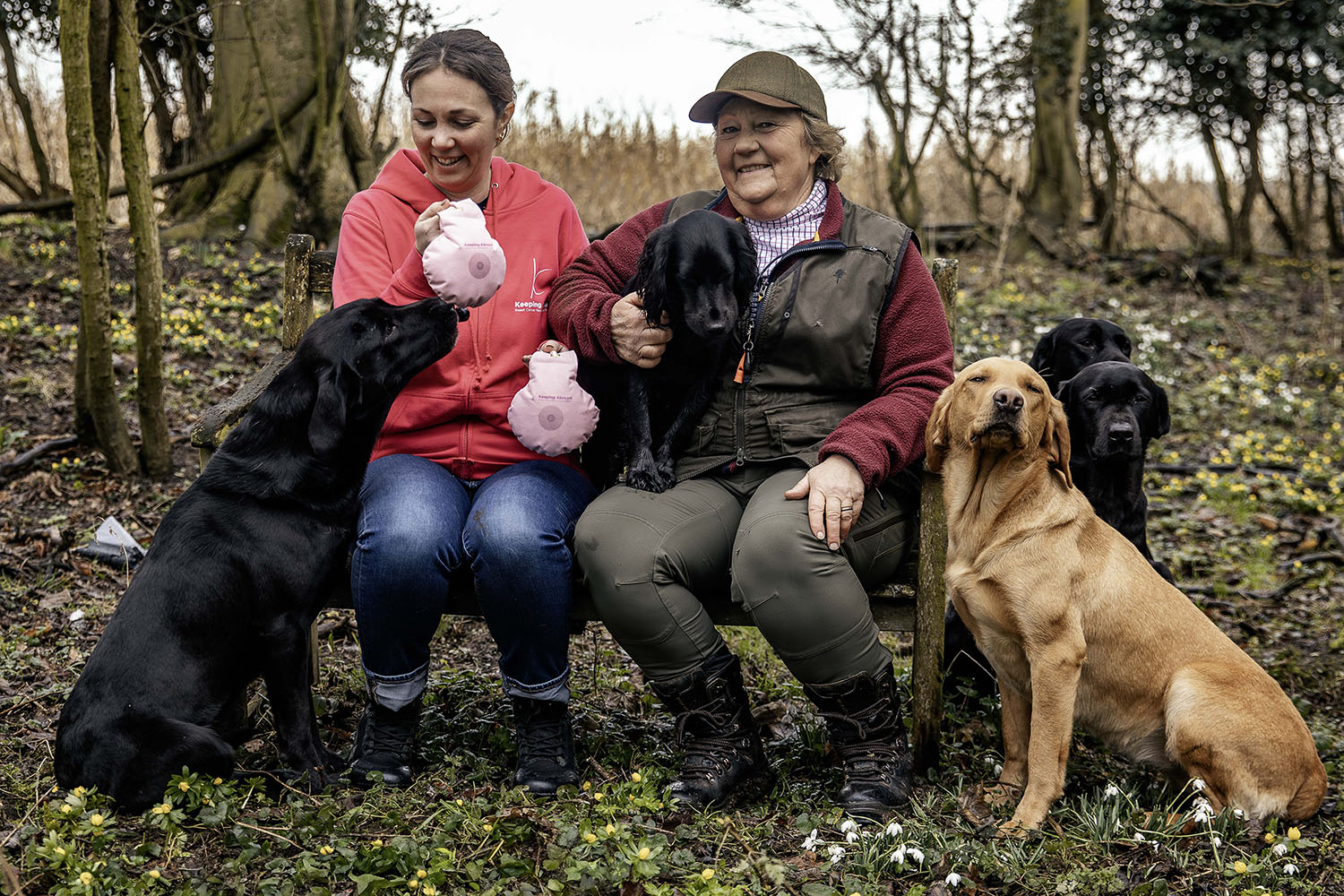
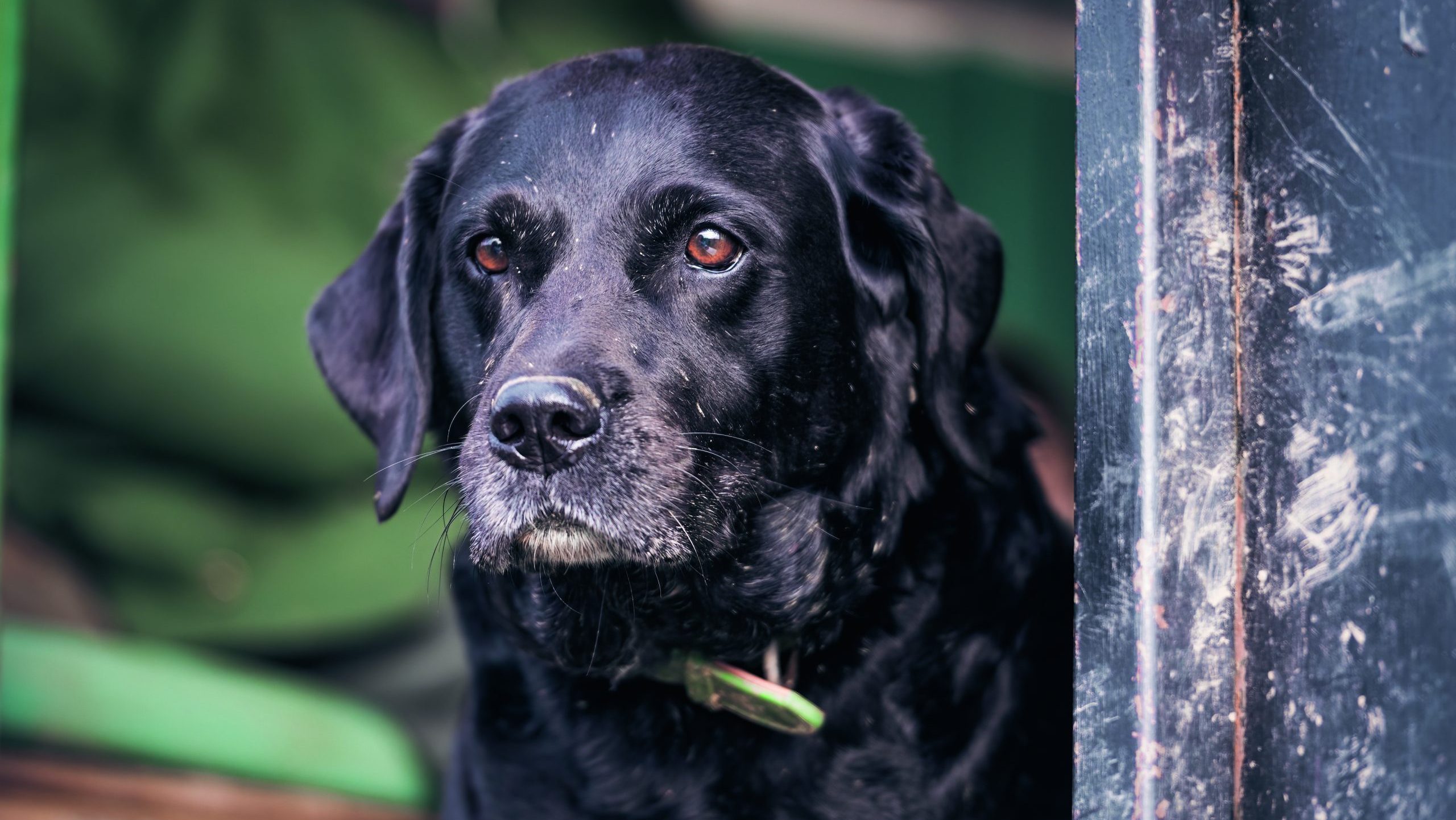 Ageing gundogs need careful management. Photo: Harry Lessman

When I think of ageing pets, I think of my heavenly golden retrievers who walked this earth until they were 13 and 15. I think of their beautifully distinguished grey muzzles. The way they would lag behind on a walk to just enjoy a potter and a sniff rather than chasing up ahead. The way I could suddenly open the door without them hearing. How the lumps and bumps started to change, the stiffness that crept in, the slower pace of life.
As our beloved dogs grow older, their needs and health concerns evolve. Understanding what constitutes a senior dog and how to care for them can help ensure their golden years are filled with happiness and comfort.
What is a senior dog?
Dogs are generally considered seniors when they reach the last third of their expected lifespan. This varies depending on breed and size. For instance, small breeds like chihuahuas may not be considered senior until around 10 years old; medium breeds, such as border collies, often enter their senior years at 7-8 years old; and large and giant breeds like great danes may be considered senior as early as 5-6 years old.
Specific needs of ageing dogs
Senior dogs require a bit more of a tailored approach to their care. I always recommend as a minimum:
Regular health checks
Whether this is with a vet or a nurse, try to schedule veterinary visits at least twice a year for comprehensive health evaluations. This may be to check their body weight, as weight gain and weight loss can indicate health concerns. Here your dog can have assessments on their teeth, heart, coat and joints. Health screening for certain illnesses such as diabetes or liver disease can also be discussed. Early detection of health issues can make a significant difference.
Weight management
Monitor your dog’s weight closely. Obesity is common, especially in older pets as they exercise less but eat the same – or more! And obesity can exacerbate many age-related conditions, such as osteoarthritis and heart disease. Weight loss may indicate an underlying disease. Make sure to adjust their diet to a senior-appropriate formula as these often add in joint-supporting nutrients like omega-3.
Exercise and mental stimulation
Regardless of age, like us there needs to be regular but perhaps very low-impact exercise to maintain muscle tone and joint flexibility. Never underestimate mental stimulation as a form of exercise too – I always advocate for a walk with fresh scents to sniff over ball throwing in a garden or a walk around the block any day. Engage their minds with puzzle toys, scent games in your house or garden, or gentle training sessions to help combat cognitive decline.
Comfortable living environment
If you have a dog with arthritis, try and provide specific orthopedic bedding to support aging joints in a warm place. Ensure easy access to food, water and favourite resting spots, especially if mobility is an issue, using ramps or matts where needed to reach furniture or prevent slipping. If your pet has sight issues, keeping the house layout the same is vital.
Common health concerns in ageing dogs
Senior dogs are more susceptible to certain health conditions, but recognising the signs early can lead to better outcomes and happier dogs in all of their life stages.
Osteoarthritis (OA)
OA is a common condition in older dogs caused by the gradual wear and tear of joint cartilage. Certain breeds we know are predisposed and born with degenerative joint disease (DJD) which manifests as OA in later life. I am sure our readers will be aware of hip and elbow dysplasia as well as cruciate disease. OA can lead to pain, stiffness, and reduced mobility and it carries a significant impact on our dog’s welfare. It is sadly still often underdiagnosed and undertreated because we as owners still dismiss signs of arthritis as a normal ageing process.
The symptoms of arthritis can include stiffness, limping, difficulty rising especially after rest or exercise, reluctance to exercise, lagging behind on walks or a noticeable decrease in enthusiasm for activities they once enjoyed. Sometimes you will notice their posture or gait changes, or even the way they sit. Our retriever would shift her weight between her front legs a lot when standing which was a marker of discomfort. You may see behavioural changes such as unusual aggression or even anxiety. Dogs rarely cry in pain, and too often do we hear that a dog is not in pain because they don’t cry. Animals continue without much complaint because of their survival instinct, and often only show very subtle signs of pain which may simply be, lying down more often, panting more or reluctance to exercise as much.
Once OA has been diagnosed either by diagnostic imaging (CT, x-rays), veterinary examinations or a pain relief trial (I am a huge advocate for this and some manufacturers offer a month’s free trial with arthritis medication) treatment includes a combination of weight control, joint supplements, analgesia such as NSAIDs, anti-nerve-growth factor injections etc), and physical therapies such as physiotherapy or hydrotherapy. In some cases, advanced therapies such as platelet-rich plasma (PRP) or stem cell therapy may be recommended.
Dental disease
Dental disease is one of the most common issues in ageing dogs and can significantly impact their quality of life if left untreated. Symptoms are easy to recognise and include doggy breath/smelly breath (note, doggy breath is not normal at all!), excessive drooling, swollen or bleeding gums, loose teeth, missing teeth, and pawing at the mouth. Again, often I am told that a dog is not in pain with their mouth because they are still eating. Eating is a survival instinct. Not eating should never be a cut off to seek treatment and dogs rarely, if ever, stop eating even when faced with horrific dental disease.
Regular dental check-ups either at annual vaccination appointments or every six months can help identify any problem areas. If dental disease is identified, the recommendation will be a comprehensive oral assessment under general anesthesia. This will include dental x-rays, removal of damaged/infected teeth and professional scaling and polishing of the remaining teeth. Where possible, brushing your dog’s teeth at home with dog-specific toothpaste four times weekly is vital to help maintain a healthy mouth. If the teeth already have significant tartar, inflamed gums (gingivitis) or periodontitis, brushing is inadequate until the teeth are professionally managed by a vet.
Hearing and vision loss
As dogs age, sensory decline is common. Hearing and vision loss may occur gradually, often going unnoticed until it becomes significant. Dogs with diminished hearing may appear unresponsive to verbal commands or startle easily when approached. Use hand signals for communication, and ensure your dog’s environment is predictable and safe, approaching slowly if they’re asleep, allowing them to smell you before touching them.
Vision loss may manifest as bumping into objects, hesitating in unfamiliar surroundings, or difficulty navigating stairs. Cataracts and progressive retinal atrophy (PRA) are common causes; the latter we know is common in spaniels. Providing adequate lighting, avoiding rearranging furniture, and guiding your dog through new environments can help. Keeping your pets on-lead but using a long line can allow them the freedom of exploring while keeping them safely near you. Often hearing and vision loss occur with no previous sign of illness, however we know underlying chronic ear disease and certain ophthalmic conditions can predispose also.
Cognitive dysfunction (canine dementia)
Cognitive dysfunction syndrome (CDS) is similar to Alzheimer’s disease in humans and affects a dog’s memory, learning and awareness. Symptoms include disorientation (for instance, getting stuck in corners or lost), altered sleep-wake cycles (often awake in the night), house-soiling, decreased interaction with family members, and repetitive behaviours like pacing or staring.
Behavioural change is the most common manifestation and can even start causing unusual bouts of aggression and anxieties in an otherwise calm and friendly dog. While CDS cannot be cured, its progression can be slowed with a combination of interventions. There are prescription medications such as selegiline that may help. Diets enriched with antioxidants, omega-3 fatty acids, and medium-chain triglycerides can also be useful. Mental stimulation is helpful, such as feeding puzzles, chew toys, and structured routines to keep your dog mentally stimulated.
Cancer
The risk of cancer increases with age, and early detection is crucial for successful treatment. Cancer is a scary thought but often it can be treated or managed. I currently have a dog having radiotherapy for a nasal adenocarcinoma and removed a kidney from a dog with carcinoma – both are currently thriving. Cancer does not equal a death sentence for most of our pets.
Symptoms of cancers vary depending on the type and location of the cancer but may include lumps or bumps (especially if growing or changing), unexplained weight loss, lethargy, changes in appetite, enlarged lymph nodes, difficulty breathing, or persistent lameness, urinating or drinking more.
Treatment options depend on the cancer’s type and stage. These may include surgical removal of chemotherapy, radiation therapy, or palliative care to manage symptoms and improve quality of life. Understandably, when we think of cancer we think of chemotherapy and we associate this with suffering, sickness and hair loss. To offer some reassurance, dogs tolerate chemotherapy extremely well and do not respond like humans. They often come in wagging and leave wagging. Regular vet visits and vigilance for unusual signs can lead to early intervention and better outcomes. Keep up with those routine vet checks.
Other illness
With age we may see changes to the liver or kidneys. Symptoms may include increased thirst and urination, vomiting, diarrhoea, weight loss, reduced appetite, or jaundice. Routine bloodwork and urinalysis are essential for early detection. Dietary changes, including low-protein or renal-support diets, can help manage kidney issues. Medications and supplements such as antioxidants or even milk thistle may support liver health. Advanced cases may require fluid therapy or hospitalisation but often I pick up subtle changes on bloodwork with no sinister cause.
Diabetes is more common in older dogs and occurs when the pancreas does not produce enough insulin. Most commonly we see increased thirst, excessive urination, weight loss despite a good appetite, and lethargy. Treatment involves insulin injections, a consistent feeding schedule, and a prescription diet. Regular monitoring of blood glucose levels and close communication with your veterinarian are vital to managing the condition effectively. We now frequently fit FreeStyle Libre Sensors which has made glucose monitoring in our diabetics so much more efficient and pet friendly.
A final condition of note I wanted to mention is what we refer to as the ‘doggy stroke’, properly called idiopathic vestibular disease. This condition affects a dog’s balance and coordination. It is a sudden, non-progressive disturbance of the inner ear’s vestibular system – the system that helps you feel balanced. Symptoms in affected dogs may show head tilting, a lack of coordination, circling, rapid eye movements (we call nystagmus), and a reluctance or inability to stand. They may also vomit or show signs of nausea. I imagine it feels like the worst sea sickness. While alarming, idiopathic vestibular disease often resolves on its own within a few days to weeks. Supportive care, such as anti-nausea medications, can help keep the dog comfortable. If symptoms persist or worsen, additional diagnostic tests may be needed to rule out other causes such as ear infections, tumours, or strokes, but for the most part dogs do recover.
Final thoughts
Regular veterinary check-ups, attention to diet and exercise, and an awareness of potential health issues will help your ageing dog thrive. GJ

Related Articles
Health
Developmental milestones in dogs
Vet Louisa Lane explains the main stages of dog development and behaviour, from puppyhood to adulthood
By Gundog Journal
Health
Feeding for the field
What should today’s gundog really be eating? With opinions divided and the market full of high-protein kibbles, grain-free options and new slow-cooked alternatives, we asked leading manufacturers to...
By Gundog Journal
Get the latest news delivered direct to your door
Subscribe to Gundog Journal
Unlock the full potential of your working dog with a subscription to Gundog Journal, the UK’s only dedicated magazine for gundog enthusiasts. Published bi-monthly, this authoritative resource delivers expert training advice, in-depth interviews with top trainers and veterinary guidance to help you nurture a stronger bond with your dog.
With stunning photography and thought-provoking content, Gundog Journal is your essential guide to understanding, training and celebrating your working dog.
Save 10% on shop price when you subscribe, with a choice of packages that work for you. Choose from Print & Digital or Digital only with each journal delivered directly to your door or via the app every other month, plus access to past issues with the digital back issue library.