★ Subscribe to the Gundog Journal newsletter here for first access to competitions, breaking news and exclusive content ★


Developmental milestones in dogs
Vet Louisa Lane explains the main stages of dog development and behaviour, from puppyhood to adulthood
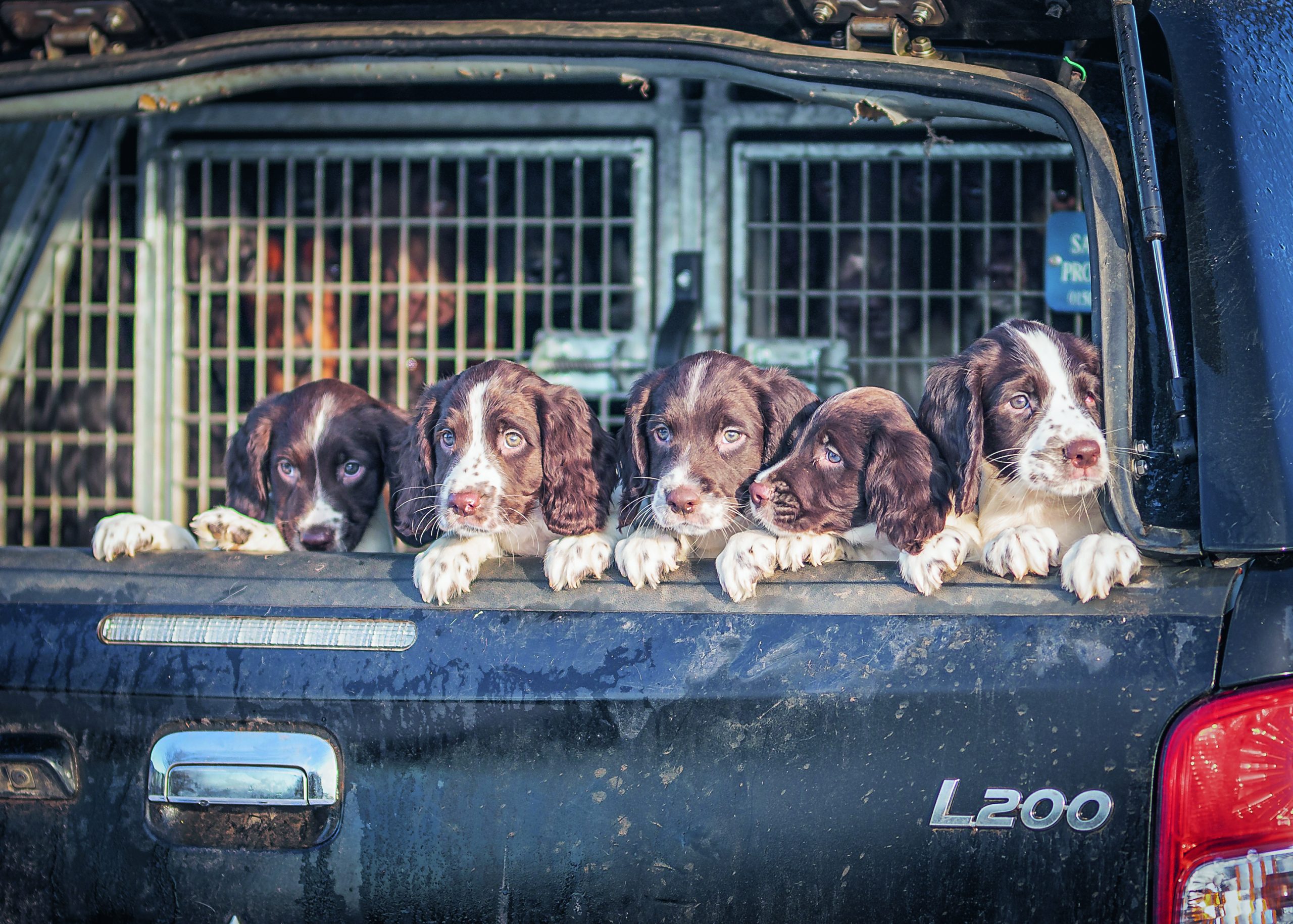

One of the most crucial aspects of canine health and behaviour we encounter is understanding the developmental milestones that shape a dog from puppyhood to adulthood. These stages influence how dogs behave and how they interact with their world, people and other animals around them.
This article will explore the key milestones in a dog’s life, explain why these stages are significant in terms of behaviour, and highlight the influence of genetics, prenatal experiences, and early socialisation on a dog’s growth and behaviour.
Behaviour
Canine behaviour is a topic in itself, and beyond the scope of this article. Before diving into specific developmental stages or ‘milestones’ of our dogs, it’s important to understand that a dog’s behaviour is not guaranteed, and it is not static. Behavioural changes are influenced by many intrinsic and external factors including genetics, the environment, their experiences (even prenatally), their diet, health and their feelings (for instance, feeling hungry or frustrated). While it is important to breed from carefully selected parents with ‘good genetics’ (healthy with desired physical and behavioural attributes), whether or not puppies develop these desired traits and behaviours we know is not just down to genetics.
These intrinsic and external factors (while occurring throughout the dog’s life) will occur at certain specific stages in a dog’s life which for simplicity we will refer to as ‘milestones’. These milestones are important to recognise if we are to try and help nurture our dogs to become the well-rounded, confident family dogs we hope them to be.
Prenatal stage
Early experiences, starting from the prenatal stage, play a significant role in shaping a dog’s behaviour. A dog’s mother, for example, has a profound influence on her puppies, not only during the early weeks of life but also while she’s pregnant. Maternal stress or health can influence the development of the puppies, including their ability to cope with stress and form social bonds later in life.
Puppyhood
The Critical Socialisation Period
(0-12 weeks)
The first 12 weeks of a dog’s life are considered the most critical in terms of behaviour. This period is divided into three phases: neonatal, transitional and socialisation.
Neonatal period (0-2 weeks)
During the first two weeks of life, puppies are largely dependent on their mother. They are born blind, deaf, and unable to regulate their own body temperature. Their behaviour is largely instinctual – mainly focused on seeking warmth and the safety of their mother for feeding. It’s at this stage that early touch and handling in a gentle manner (minimal stress) can lead to more confident dogs able to cope better with mild stress. Note: the intensity of stressors the puppies experience at this stage can play a profound impact on their development and behaviours in the future. For example, too much handling, being cold, hungry or being taken from their mother may be extremely stressful.
Transitional period
(2-3 weeks)
By the end of the second week, puppies’ eyes and ears begin to open. This marks a period of increased sensory development. They start to become more aware of their surroundings, reacting to sounds, light and touch. As the sensory system matures, puppies begin to engage in more active exploration of their environment. This is also when they begin to crawl, walk, stand and start to play with their littermates, fostering early social behaviours. They may also start to toilet by themselves outside of the sleeping area.
Socialisation period (3-12 weeks)
The socialisation period is arguably the most important phase for behaviour development. During this window, puppies are particularly sensitive to new experiences, and positive exposure to various stimuli (other dogs, people, sounds, sights) is crucial. Puppies that receive ample socialisation during this time tend to be more adaptable and less fearful of new experiences later in life.
Appropriate socialisation teaches puppies essential skills, like how to interact appropriately with other dogs and humans. They learn bite inhibition through play with littermates, and their brains are highly receptive to forming new connections. Exposing puppies to different types of environments, such as noisy streets, car rides, or visits to the vets even, can prevent the development of anxiety or aggression issues as they mature.
For most of us who do not breed, you can see here why selecting a breeder who nurtures this developmental milestone is crucial. We want our puppies to get off to a good start.
After 8 weeks, when puppies are weaned and are leaving their mothers, we can begin vaccinations which ultimately allows our puppies to start integrating with other dogs in different environments. Until then there is still so much learning to be done! Car journeys and getting used to the hoover are a must!
The juvenile period
Continued development (3 months to onset of sexual maturity)
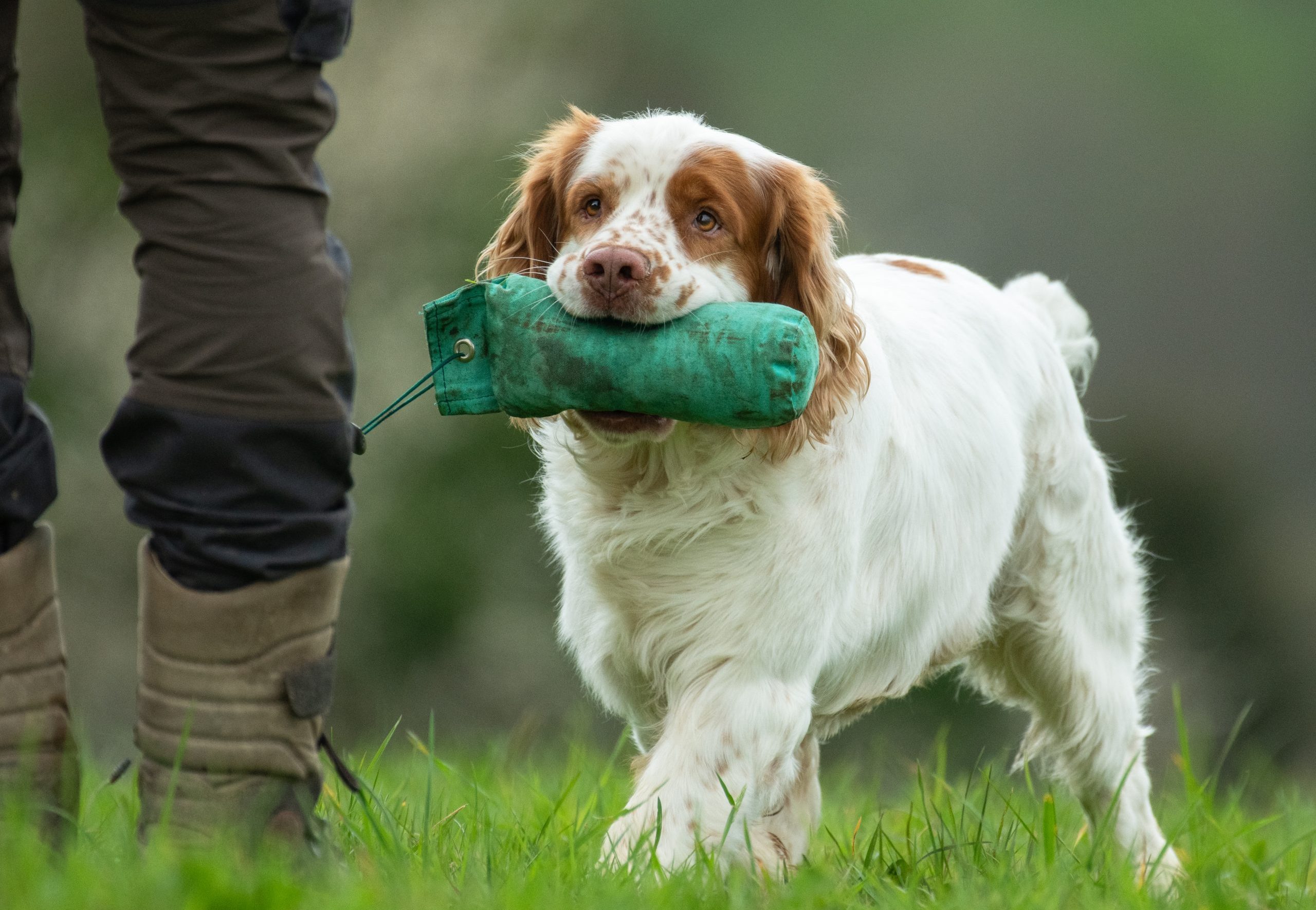
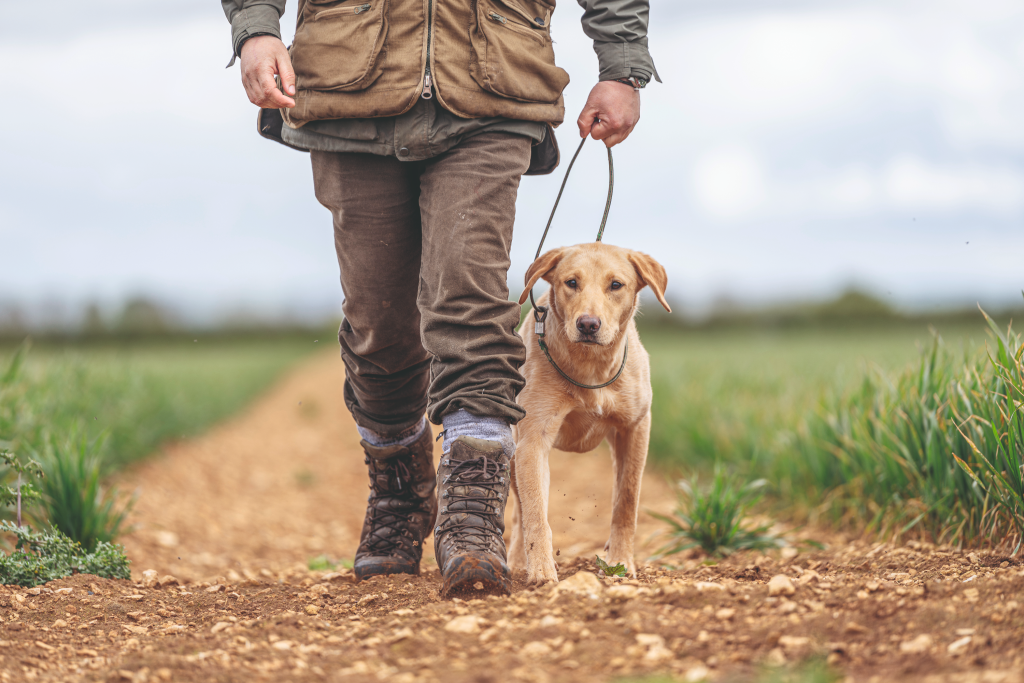
After the first few months of life, puppies enter the juvenile period. This is a time of significant physical and social development. Puppies begin to explore their world with increasing confidence, and their interactions with humans and other dogs become more complex. It is also during this stage that early training, including house training and basic obedience, begins to take root.
The onset of sexual maturity, as we have discussed before, depends on the breed/size of dog. For example, very small breeds may be fully mature around 6-8 months whereas for large-giant breeds this may not happen until around two years old.
During this period, puppies begin testing boundaries and may exhibit behaviours such as chewing, digging, and vocalising (all normal behaviours that we need to harness/nurture correctly). This exploration is essential, as it helps puppies learn about their environment and
develop problem-solving skills. At the same time, puppies are learning what behaviours are acceptable and which ones may lead to punishment or reward. For example, if they are chewing, re-direct them on to tooth-safe chews. If they are digging, hide some treats somewhere where they can dig to find it, perhaps in the garden!
From a behavioural perspective, this is the time when puppies’ personalities begin to solidify. While genetics set the foundation, it’s their environment and experiences during this period that shape how confident, anxious, or reactive they will be as adults. The more positive reinforcement they receive during this period, the more likely they are to continue demonstrating those behaviours into adulthood.
Adolescence
Hormonal changes and behavioural shifts (onset of sexual maturity / 6 months – 2 years)
Adolescence, spanning from 6 months to about 2 years (depending on size/breed), is often the most challenging phase for dog owners. This stage is characterised by the onset of hormonal changes, and sexual maturity. Adolescent dogs can exhibit a variety of behavioural shifts which are a little harder to tolerate! They have increased independence, a tendency to test boundaries, and in some cases, aggression or territorial behaviours. These changes are typically a result of hormonal surges, however the way they behave can reflect their learning and development thus far.
Behavioural challenges may also arise, such as barking, destructive chewing, or attempts to escape. At this stage, dogs may experience their first experiences of separation anxiety or react more strongly to new stimuli due to less mature coping mechanisms. Continued training, socialisation, and consistency are key to guiding dogs through this phase. While the foundation for a dog’s behavioural traits (we hope) is already laid, adolescence is a period where positive experiences and reinforcement can guide them toward becoming well-adjusted adults.
Adulthood
By the time dogs reach adulthood, typically around two years of age, their personalities are largely established. They will have settled into a routine and exhibited more predictable behaviours. Adult dogs are usually less energetic than their adolescent counterparts, but they can still be playful and engaged in training. Any lingering behavioural issues, such as anxiety or aggression, should be addressed with patience and, if necessary, professional guidance as these will likely become worse.
While dogs can and do continue learning throughout their lives, the major developmental milestones that have shaped their behaviour are largely complete. Training and socialisation, however, continue to be important for maintaining a dog’s well-being and as an owner we must remain consistent with corrective actions if there are any undesirable behaviours.
Geriatric (into older age)
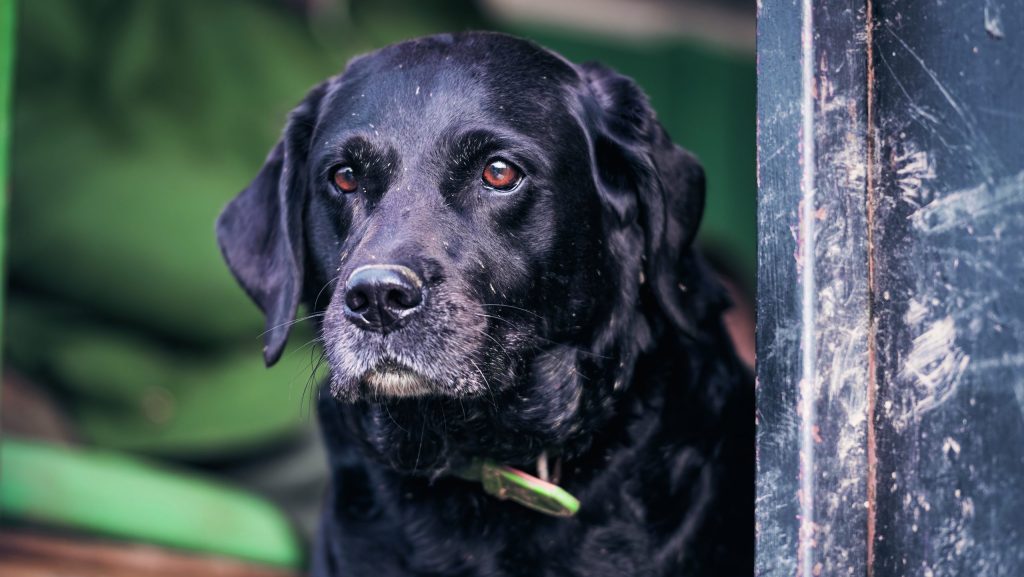
Ageing dogs have specific age-related requirements. This stage of life is important and must not be overlooked because it is a stage where behaviours commonly change. As our pets age they can be susceptible to age-related illnesses and pain including arthritis, dental disease or cognitive dysfunction. Sensory losses including sight and hearing loss can also make our elderly pets feel more vulnerable. This may manifest with our older dogs becoming more intolerant and quicker to display signs of discomfort, sometimes with out-of-character acts of ‘aggression’.
In summary
Understanding a dog’s developmental milestones is essential for fostering positive behaviour and ensuring a balanced relationship between dogs and their owners. Early socialisation, particularly during sensitive periods, is crucial in preventing future behavioural problems such as fear, aggression or anxiety. A lack of early socialisation can result in dogs that are fearful of strangers, other dogs, or new experiences, which can lead to behavioural problems later in life.
Moreover, knowing how genetics and early experiences shape a dog’s temperament helps veterinary professionals and owners to tailor training strategies that align with the dog’s inherent tendencies. A well-socialised, well-trained dog is not only easier to manage but is also more likely to enjoy a happy, healthy life.
Related Articles
Health
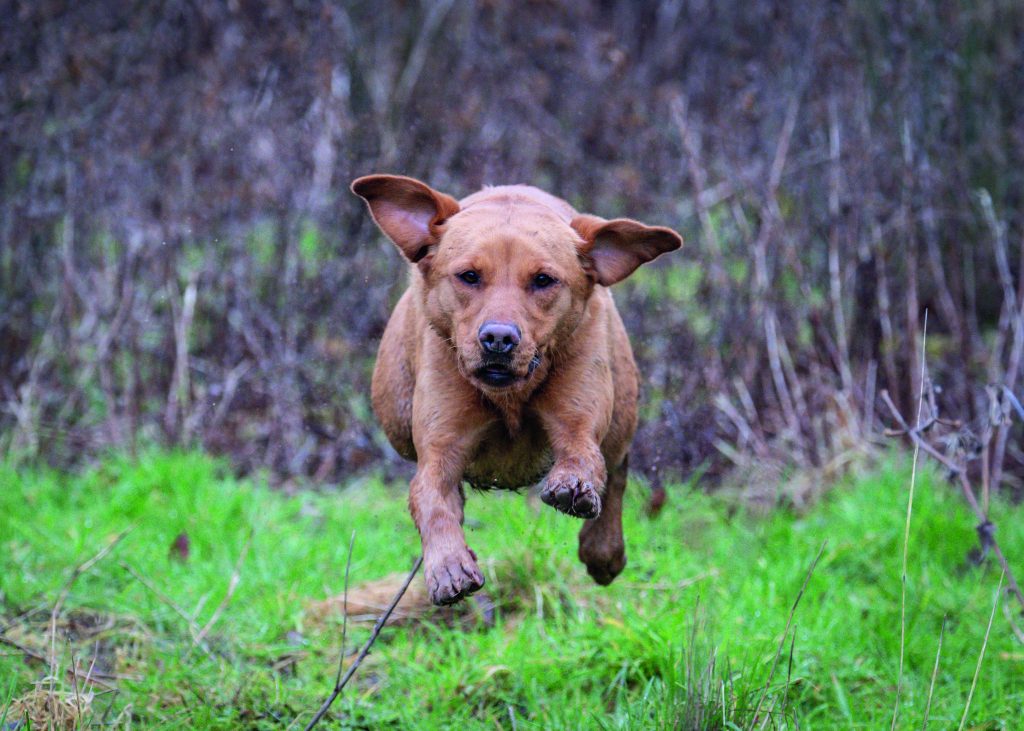
Feeding for the field
What should today’s gundog really be eating? With opinions divided and the market full of high-protein kibbles, grain-free options and new slow-cooked alternatives, we asked leading manufacturers to...
By Gundog Journal
Health
How to care for your ageing gundog
Ensuring our gundogs are cared for and understood as they enter their twilight years is one of our biggest responsibilities as owners. Vet Louisa Lane looks at some of the health concerns that may nee...
By Gundog Journal
Get the latest news delivered direct to your door
Subscribe to Gundog Journal
Unlock the full potential of your working dog with a subscription to Gundog Journal, the UK’s only dedicated magazine for gundog enthusiasts. Published bi-monthly, this authoritative resource delivers expert training advice, in-depth interviews with top trainers and veterinary guidance to help you nurture a stronger bond with your dog.
With stunning photography and thought-provoking content, Gundog Journal is your essential guide to understanding, training and celebrating your working dog.
Save 10% on shop price when you subscribe, with a choice of packages that work for you. Choose from Print & Digital or Digital only with each journal delivered directly to your door or via the app every other month, plus access to past issues with the digital back issue library.